Daisy Flower Monogram SVG: Graphics & Print Templates
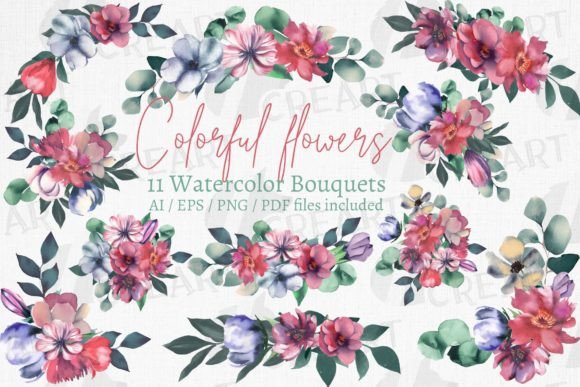
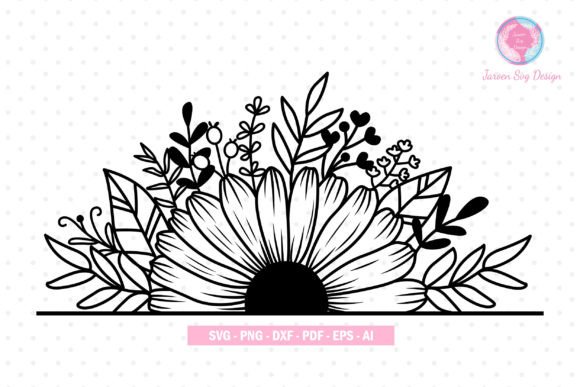
As a brand designer who’s built visual systems for over 200 small businesses—and as a content marketer who’s A/B tested thousands of social graphics—I opened Daisy Flower Monogram Svg, Flower Svg expecting charm. What I found was more: a quietly versatile graphic design asset with strong emotional resonance and surprising functional range.
This isn’t just clipart. It’s a cohesive floral monogram—elegant but approachable—that lands somewhere between artisanal warmth and modern minimalism. The daisy motif reads friendly, fresh, and grounded—ideal for brands rooted in wellness, sustainability, motherhood, education, or lifestyle content. It doesn’t scream “luxury,” but it *does* whisper “thoughtful,” “trusted,” and “human.” That subtle tone shift matters deeply when your audience is scrolling past 50+ posts before breakfast.
A Real Campaign Test: Launching a Spring Content Bundle
Last month, I helped a small business coach refresh her Q2 digital product suite—a printable planner bundle themed around growth, clarity, and seasonal renewal. We needed visuals that felt intentional—not decorative—and supported her voice: warm, grounded, and insight-driven. Daisy Flower Monogram Svg, Flower Svg became the unifying visual thread across her entire campaign: email headers, Pinterest pins, Canva templates, and even the cover of her lead magnet PDF.
Why it worked: the monogram added personality without overwhelming text. Its circular composition created natural visual hierarchy—guiding eyes to headlines and CTAs. And because it arrived as 1 SVG, 1 PNG, 1 DXF, 1 PDF, 1 EPS, and 1 AI file—all at 300 DPI, we scaled it seamlessly from Instagram story banners (1080x1920) to printed packaging inserts (3.5” x 2”) without pixelation or distortion.
Where This Graphic Design Asset Earns Its Keep
- Brand identity accents: Not as a primary logo—but as a secondary mark on business cards, website footers, or email signatures to reinforce recognition.
- Packaging design & product labels: Especially for handmade soaps, herbal teas, or stationery—where floral motifs signal natural ingredients and care.
- Social media graphics: As a corner flourish on Instagram carousels, a subtle watermark on Reels thumbnails, or a framing element for quote graphics.
- Editorial design & blog graphics: Used as a section divider or header accent in Medium posts, Substack newsletters, or blog sidebar widgets.
- Digital ads & web design: When layered softly behind hero text on landing pages—or as a border element in Facebook ad banners—to add texture without sacrificing clarity.
- Printable design & content bundles: Its high-resolution files make it ideal for planners, checklists, habit trackers, and workshop workbooks—especially when sold as part of a design bundle.
Marketing Goals This SVG Design Actively Supports
Daisy Flower Monogram Svg, Flower Svg strengthens first impressions by adding warmth where generic stock art feels cold. It improves audience trust—not through authority, but through authenticity. That daisy says, “I made this with intention.” It supports stronger recognition because its shape is distinctive yet scalable; it builds emotional connection by tapping into universal associations with resilience, simplicity, and gentle optimism. And yes—it delivers a more professional appearance, especially when paired thoughtfully with typography and color.
Best Fit: Hero Graphics, Branded Templates & Decorative Brand Elements
This SVG design shines brightest when used intentionally—not as filler, but as punctuation. It works beautifully in hero graphics for seasonal offers, campaign headers for newsletter launches, branded Canva templates for clients, social media covers that need soft visual rhythm, packaging accents that elevate unboxing moments, and editorial layouts where whitespace and organic flow matter. As a decorative brand element, it adds cohesion across touchpoints without demanding attention.
Use With Care: Contexts That Challenge Its Strengths
Avoid placing Daisy Flower Monogram Svg, Flower Svg in formal corporate branding (think law firms or fintech dashboards), dense information layouts (like comparison tables or data-heavy infographics), or small mobile graphics where fine petal details vanish. It can compete with the main message in text-heavy ads or feel visually dissonant against ultra-minimalist brands that rely on stark geometry and negative space. Also test carefully on low-contrast backgrounds—its delicate lines may fade if placed over light grays or muted pastels without a subtle drop shadow or stroke.
Practical Brand Designer Notes You Can’t Skip
Before locking it into your campaign: test it with your full brand color palette—not just primary hues, but secondary and neutral tones. Check how it renders in black and white for print or accessibility use. Place it inside real mockups: an Instagram post, a product label, a Canva template preview. Preview it on mobile screens at actual size—does the monogram still read clearly? Compare it against top competitor visuals—is it distinct enough to stand out, not blend in? Test pairing with serif fonts (for editorial gravitas), sans serifs (for clean modernity), script fonts (for handwritten warmth), and display fonts (for bold campaign energy). Review spacing: does it breathe well next to headlines and body copy? And always confirm commercial licensing—this is essential before using in paid campaigns, client deliverables, or any digital product you sell.
Final Thought: A Strategic Creative Design, Not Just Pretty Clipart
In today’s oversaturated visual landscape, small business branding thrives on consistency, clarity, and quiet confidence. Daisy Flower Monogram Svg, Flower Svg delivers all three—not as a standalone solution, but as a reliable, adaptable piece of your creative toolkit. It’s the kind of graphic design asset that makes your marketing visuals feel human-made, not algorithm-generated. Whether you’re building a content kit, refreshing your Pinterest strategy, or designing your first product label, this floral monogram brings cohesion, calm, and quiet professionalism—exactly what modern audiences respond to.