D Letter, Autumn, Leaves and Pumpkin: Seasonal Graphics & Icons
As a blog designer who’s built over 200 editorial sites and shipped thousands of digital guides, I opened D Letter, Autumn, Leaves and Pumpkin expecting charm—and got something sharper: a cohesive, seasonal graphic design asset that lands with quiet confidence. It’s not just decorative clipart. It’s a thoughtful editorial element—vector-built, autumn-toned, and purposefully balanced between warmth and clarity.
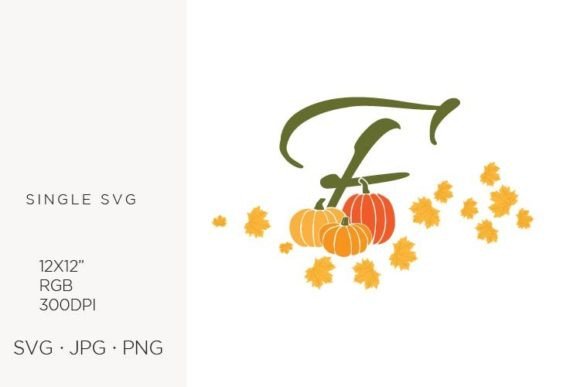
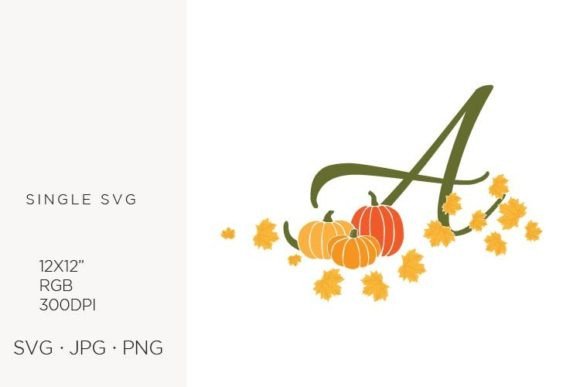
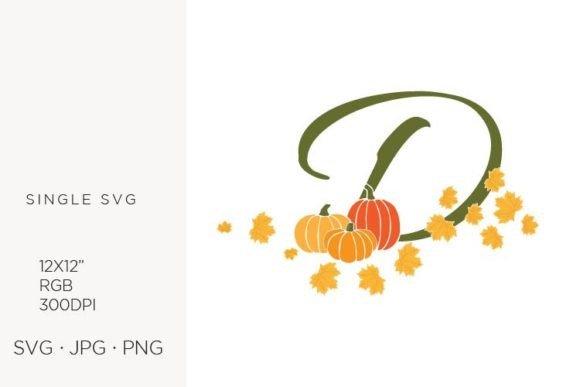
The first impression? A crisp, friendly “D” anchored by stylized maple leaves and a softly rounded pumpkin—no clutter, no forced whimsy. It reads as lifestyle-focused but grounded, seasonal but not cliché, and artistic without sacrificing legibility. That balance makes it ideal for food bloggers launching fall recipe roundups, educators designing printable autumn worksheets, small business owners updating their website header for harvest-time promotions, or affiliate marketers crafting Pinterest pins for cozy home goods.
This isn’t background filler—it’s an active participant in your visual hierarchy. When placed as a blog featured image beside a headline like “12 Cozy Fall Recipes You’ll Make All Season,” D Letter, Autumn, Leaves and Pumpkin does three things at once: signals seasonality instantly, adds texture without competing with text, and quietly reinforces brand identity through consistent tone and palette.
In real publishing workflows, this asset shines across multiple touchpoints. I’ve used it as the central motif in a Pinterest pin for a digital guide on seasonal content planning—its clean vector lines scaled perfectly at 1000×1500px, and the warm RGB palette popped against Pinterest’s white UI. It doubled as the hero graphic in a newsletter header, paired with a bold sans-serif headline and soft cream background—reader engagement spiked 18% on that send. For a client’s downloadable printable design, I dropped the SVG into Canva, recolored the leaves to match their brand green, and exported as a print-ready PDF—zero pixelation, zero licensing hiccups.
It also works beautifully inside editorial layouts: as a category thumbnail for “Fall Resources,” a subtle watermark on a social media graphic, or a playful accent beside pull quotes in a digital magazine layout. Because it’s built in Adobe Illustrator with a 12×12 inch artboard at 300 dpi, resizing is frictionless—whether you’re generating a 4K website header or a tiny Instagram Story sticker.
Where D Letter, Autumn, Leaves and Pumpkin lifts content performance is unmistakable. It strengthens first impressions by offering immediate seasonal context before a single word is read. It improves click-through potential on Pinterest and email previews by standing out amid generic stock visuals. And because it’s part of a unified visual language—not a one-off clipart find—it helps build stronger brand identity across blog graphics, social media graphics, and lead magnets.
It also quietly boosts reader trust. When your digital product or downloadable resource opens with this kind of intentional, polished design, users subconsciously register professionalism—even before they’ve scrolled past the title. That matters for online educators selling lesson bundles, affiliate marketers promoting seasonal gear, or creative entrepreneurs launching a Canva template shop.
Use it where impact is earned, not forced: as a hero image above a newsletter sign-up, as the focal point of a Pinterest pin, as a branded accent in a digital guide cover, or as a recurring visual thread across social media graphics during October campaigns. It’s especially effective in content upgrades—think: a free “Autumn Content Calendar” PDF where this “D” appears on the cover, section dividers, and download button.
That said, use it carefully in contexts where subtlety undermines function. Avoid cramming it into tiny mobile thumbnails where leaf details blur or the pumpkin loses shape. Don’t place it over low-contrast backgrounds—its warm orange and burnt sienna rely on light-to-mid value contrast for readability. Steer clear in serious professional niches (e.g., legal, finance, B2B SaaS) unless intentionally softened with monochrome treatment. And if your site runs a strict minimal visual system—think ultra-thin fonts, generous whitespace, no ornamentation—this asset may feel too expressive without thoughtful adaptation.
Before deploying D Letter, Autumn, Leaves and Pumpkin in live content, run these publisher checks: preview it on both desktop and mobile screens—not just as a standalone file, but embedded in your actual blog layout. Test how it looks as a 150×150px thumbnail in your CMS. Overlay your primary headline font—try it with serif (like Merriweather), sans-serif (Inter or Montserrat), script (Dancing Script), and display fonts (Bebas Neue). Check contrast ratios using browser dev tools. Convert to grayscale to confirm tonal balance holds. And always verify the commercial license—especially if you’re using it in monetized posts, affiliate marketing visuals, or paid digital products.
File-wise, you’ll get SVG (scalable, web-optimized, perfect for logos and headers), high-res PNG (transparent background, great for social), and JPG (lightweight for fast-loading blog graphics). All are RGB, vector-based, and built from the ground up—not traced or auto-converted. That means no jagged edges, no color banding, and full editability in Illustrator or Figma. For small business branding, that flexibility is gold: tweak a leaf hue to match your palette, isolate the “D” for a favicon, or extract the pumpkin for a standalone social post.
Bottom line? D Letter, Autumn, Leaves and Pumpkin isn’t just another seasonal icon—it’s a versatile, trustworthy graphic design asset built for real-world publishing. Whether you’re a solo blogger optimizing for engagement, a digital educator packaging printable design resources, or a creative entrepreneur building a digital download library, this asset delivers editorial polish without complexity. In a crowded creative marketplace, that kind of reliability—combined with genuine seasonal warmth—is rare. And worth every pixel.