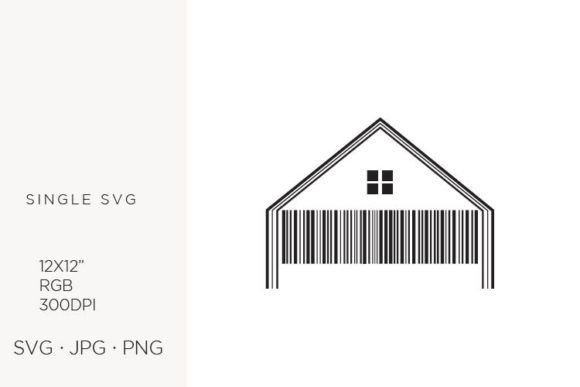
Black Barcode, Vector: Clean Icons & Graphics for Modern Branding
As a brand designer who’s built visual systems for 12+ small businesses—and as a content marketer who’s shipped hundreds of high-performing social graphics—I opened Black Barcode, Vector expecting utility. What I found was quiet confidence: a minimalist, high-fidelity graphic design asset that doesn’t shout, but still commands attention. It landed in my inbox the morning before launching a limited-edition product line for a sustainable home goods brand—think ceramic mugs, reusable wraps, and compostable packaging. We needed editorial design elements that felt intentional, not decorative; professional, not sterile. Black Barcode, Vector became our subtle signature—used across Pinterest pins, Instagram story highlights, and digital product labels.
A First Impression That Builds Audience Trust
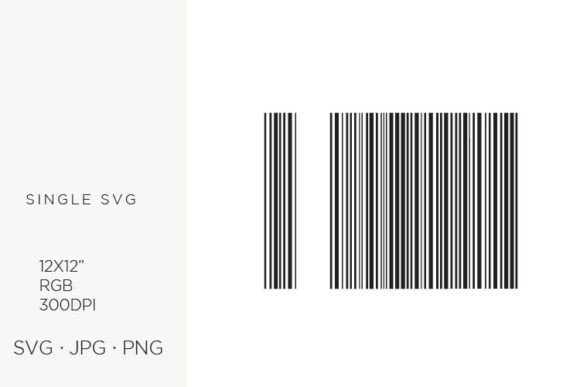
The moment you open the file, you feel its precision: crisp edges, perfect alignment, and that unmistakable weight only true vector geometry delivers. At 12 x 12 inches and 300 dpi, it’s built for scale—not just screen, but print-ready applications like packaging inserts or branded stickers. Its monochrome black-on-transparent foundation gives immediate versatility: no color clashing, no palette negotiation. It reads as modern design, not retro tech nostalgia. For lifestyle brands, handmade product sellers, or online coaches building credibility, this barcode doesn’t evoke scanning logistics—it evokes authenticity, structure, and quiet authority. It supports emotional connection by grounding chaotic content with visual consistency.
Where This Graphic Design Asset Earns Its Keep
In real campaigns, Black Barcode, Vector shines where clarity meets restraint:
- Social media graphics: As a corner accent on Instagram carousels or Reels thumbnails—adding hierarchy without competing with your headline or CTA.
- Pinterest pins & blog headers: Anchoring editorial design with subtle rhythm; especially effective when paired with serif fonts for contrast and sophistication.
- Digital ads & email banners: Used minimally (e.g., as a divider line or background texture at 15% opacity) to reinforce brand identity without sacrificing readability.
- Product labels & packaging design: Printed at 1” tall on kraft paper boxes or matte sticker sheets—it reads as artisanal detail, not generic clipart.
- Canva templates & content bundles: Bundled into lead magnets or media kits as a unifying visual thread—helping creators maintain stronger recognition across touchpoints.
- Merchandise & printable design: Embroidered subtly on tote bags or printed on vinyl stickers—its vector origin ensures flawless reproduction at any size.
Marketing Goals It Quietly Accelerates
This isn’t flashy—but that’s its superpower. Black Barcode, Vector strengthens first impressions by signaling intentionality. When placed beside a clean sans serif headline and ample white space, it elevates perceived value. It improves visual hierarchy by creating natural separation between sections—no need for heavy borders or distracting lines. For small business branding, it builds audience trust through repetition: same element, same placement, same tone across web design, digital ads, and physical collateral. And because it’s built in Adobe Illustrator and delivered as SVG, PNG, and JPG, it integrates seamlessly into commercial design workflows—from Figma handoff to Shopify product page mockups.
Best Fit: Hero Graphics, Campaign Headers & Branded Templates
It performs strongest when used deliberately—not as decoration, but as punctuation. Think: a single Black Barcode, Vector element framing the bottom edge of a product launch hero image. Or repeated at 8% opacity behind an email banner to add texture without noise. In editorial layouts, it works beautifully as a section divider between blog posts or newsletter features. As part of a design bundle, it pairs exceptionally well with minimalist icons, neutral-toned illustrations, and clean display fonts—making it ideal for creative marketplace sellers building Canva template collections or digital product kits.
Use With Intention—Not Assumption
This graphic design asset isn’t universal. Avoid using it in formal corporate branding where legibility trumps subtlety—or in dense information layouts where it could visually compete with data. It loses impact at under 0.5” tall on mobile screens, so test scalability early. On low-contrast backgrounds (e.g., charcoal gray), it fades—always preview against your actual brand color palette. And while it pairs elegantly with sans serif and serif fonts, it overwhelms script or handwritten fonts unless heavily scaled down or masked. If your brand voice is ultra-minimalist (think all-white, zero-ornament), this barcode may read as “extra”—not essential.
Practical Brand Designer Notes You’ll Actually Use
Before dropping Black Barcode, Vector into your next campaign, run these checks:
- Test it against your full brand color palette—not just primary black, but secondary neutrals and accent tones.
- Preview it in true black-and-white mode to confirm contrast holds on printed materials.
- Drop it into real campaign mockups: website header, Instagram post, email template—not just blank artboards.
- Zoom out to 25% on desktop and 100% on mobile to assess balance and spacing.
- Compare it side-by-side with top 3 competitor visuals—does it stand out for clarity, not clutter?
- Layer it with your brand’s font stack: try pairing with serif (e.g., Playfair), sans serif (e.g., Inter), and display (e.g., Poppins) to gauge harmony.
- Verify commercial license terms—especially if embedding in client work, paid digital ads, or reselling as part of a design assets pack.
For bloggers, content creators, and small business owners building their own visual language, Black Barcode, Vector isn’t just another icon—it’s a quiet anchor. A reliable, scalable, professionally crafted piece of modern design that says, without saying a word: We pay attention to the details that make people stay.